

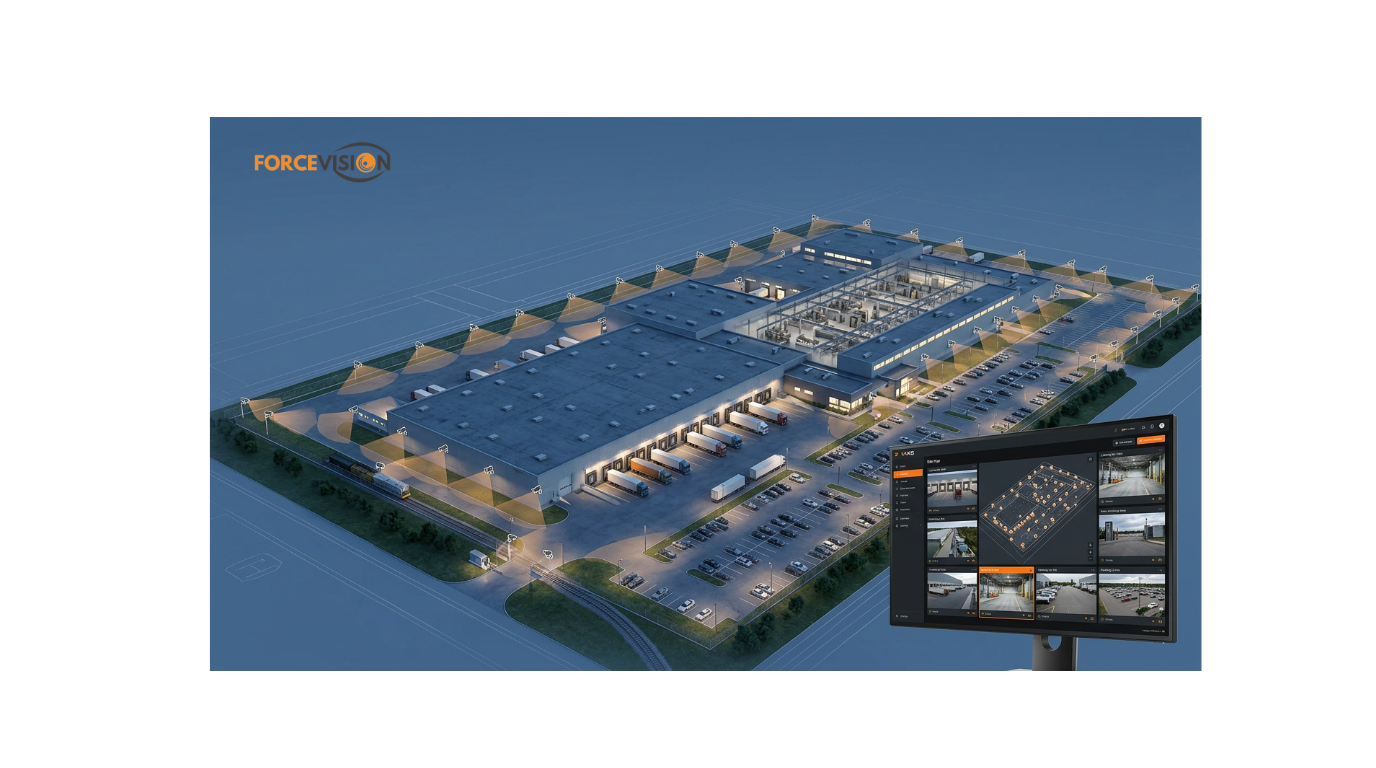
For large manufacturing plants across Southern Ontario, “a few cameras” no longer cut it. Between rising asset values, tighter safety expectations, and complex logistics, many operators are discovering that their legacy 12‑ or 16‑camera systems provide more blind spots than clarity.
A 64‑camera CCTV system has become a practical baseline for modern industrial facilities—particularly those with large shop floors, extensive yards, and multiple shipping/receiving docks. The challenge is designing it in a way that genuinely supports asset protection, safety, and operations.
Why are manufacturers moving to 64‑camera systems?
Several trends are pushing Canadian manufacturing plants toward higher camera counts:
-
Higher throughput and inventory concentrations, which increase the financial impact of theft or downtime.
-
More complex processes, with multiple lines, shifts, and contractors operating in parallel.
-
Insurance and customer expectations for traceability and incident documentation.
-
The need for better visibility into bottlenecks, unsafe behaviour, and after‑hours activity.
In many cases, plants upgrade from 16 cameras simply because important incidents are happening “just out of frame.” A move to 64 cameras allows a shift from reactive coverage to proactive risk management.
What should a 64‑camera manufacturing layout include?
While every site is different, a robust plant‑wide design typically allocates cameras across:
-
Perimeter and entrances: Cameras on vehicle gates, staff entrances, and visitor access points.
-
Production areas: Overhead views of key lines, assembly areas, and high‑risk machinery.
-
Material flow lanes: Cameras over main aisles, forklift routes, and staging zones.
-
Warehousing and shipping: Dock doors, cross‑dock areas, and high‑value inventory bays.
-
Utilities and critical systems: Electrical rooms, compressor rooms, chemical storage, and maintenance shops.
Mixing bullet, dome, and PTZ cameras lets you cover both wide areas and specific high‑risk points. Interior domes often work best for production and warehouse zones, while bullets and PTZs excel outdoors.
How can CCTV support safety and HR, not just security?
Manufacturing leaders are increasingly looking to CCTV to support safety and workforce management—not just catching thieves. Strong camera coverage can:
-
Provide context for incident investigations, clarifying what led up to a near‑miss or injury.
-
Help safety teams spot recurring unsafe practices, such as bypassed guarding or poor lockout/tagout habits.
-
Support training, using anonymised clips to illustrate best practices.
-
Protect workers from false accusations or unfair blame when incidents occur.
An article on industrial video systems highlights how video can support safety, HR, and operations when used properly and communicated transparently to staff.
What role do NVR platforms and analytics play?
The jump from 16 to 64 cameras is not just about quantity—it is about manageability. An enterprise‑grade NVR platform is essential to:
-
Provide centralised recording and playback with role‑based user access.
-
Enable quick search by time, camera, or event.
-
Integrate with analytics tools that can detect motion in restricted zones, line crossing, or people in hazardous areas.
-
Offer remote viewing for managers and security leads, with appropriate safeguards.
Analytics do not have to be complex AI. Even basic rules, when thoughtfully configured, can reduce false alarms and highlight the events worth reviewing.
How do you phase an upgrade without disrupting production?
Many plants cannot afford to shut lines down for a major camera overhaul. A practical approach is to phase the project:
-
Assess current coverage and identify the most critical blind spots in safety, security, and operations.
-
Prioritise “tier‑one” zones: high‑value inventory, dock doors, critical process areas, and high‑risk safety zones.
-
Deploy new NVR infrastructure first, capable of supporting the full 64‑camera design, then migrate cameras in stages.
-
Communicate clearly with staff about why upgrades are happening and how footage will be used.
-
Review early results, adjust camera angles, and refine analytics rules as you go.
This phased approach aligns with guidance on upgrading from smaller camera counts to larger industrial platforms while maintaining buy‑in from operations and workers.
How ForceVision helps Ontario manufacturers design smart systems
ForceVision specialises in designing CCTV systems for large industrial operations across Southern Ontario, including manufacturing plants in Burlington, Hamilton, Mississauga, Brampton, and Kitchener.
Our team typically:
-
Conducts a site walk‑through to understand your layout, risks, and operational priorities.
-
Develops a camera placement plan that balances security, safety, and process visibility.
-
Designs an NVR and network architecture that supports 64+ cameras with room to grow.
-
Helps you phase the rollout, so critical zones are covered first and downtime is minimised.
If you are unsure how to move from your current setup to a 64‑camera baseline, ForceVision can provide a no‑pressure assessment and a practical roadmap tailored to your plant.
A checklist for plant leaders
Before committing to any upgrade, manufacturing leaders can ask:
-
Do we know where our current blind spots are?
-
Can we quickly reconstruct a safety incident from multiple angles?
-
Are our docks, cages, and high‑value areas consistently monitored?
-
Is our current NVR platform ready for 64+ cameras and analytics?
An honest assessment of these questions often reveals that the cost of staying with legacy coverage is higher than the investment in a modern system.
FAQ
Q1: Is 64 cameras always the right number for a plant?
Not always. Some sites may need fewer; others, especially multi‑building campuses, may need 128 or more. The key is designing coverage around risk, not chasing a specific number.
Q2: Will a 64‑camera system overload our network?
With proper design—using VLANs, PoE switches, and bandwidth planning—a 64‑camera IP system can run reliably without impacting production networks.
Q3: How often should we review footage proactively?
Most plants review footage reactively after incidents, but periodic spot checks of high‑risk zones and analytics alerts can catch issues earlier.
Q4: Can we integrate CCTV with access control and alarms?
Yes. Many modern NVR platforms integrate with access control, intrusion alarms, and even production systems, allowing you to pull video around specific events or badges.


