

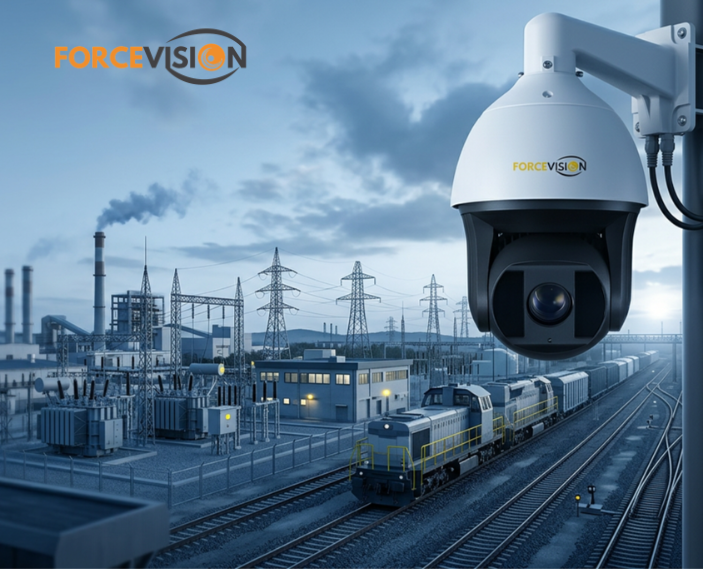
Insurance costs for large rail, energy, manufacturing, and logistics operators can run into the millions annually. Insurers carefully assess asset values, safety practices, and loss histories when setting premiums and coverage terms. Industrial CCTV systems and insurance risk reduction are increasingly linked, as underwriters look for evidence that clients actively manage physical risk and can document what happens when incidents occur.
For industrial leaders, investing in robust video systems is not just about catching thieves — it is about demonstrating control, reducing claim uncertainty, and preventing losses in the first place.
Why insurers care about CCTV at industrial sites
High‑value industrial operations present complex risks: fires, explosions, derailments, slip‑and‑falls, vehicle collisions, theft, and environmental releases. When large claims arise, disputes often involve what exactly happened, whether protocols were followed, and how quickly the response unfolded.
Industrial CCTV systems and insurance risk reduction go hand in hand because video:
-
Provides objective, time‑stamped evidence during investigations.
-
Clarifies whether alleged events occurred as described.
-
Shows that safety and security measures were in place and functioning.
The more visibility an operator has, the less room there is for uncertainty and contentious litigation — factors insurers weigh heavily.
Preventing losses through visibility and analytics
Underwriters also pay attention to how clients prevent losses, not just how they document them. Industrial CCTV systems and insurance risk reduction intersect in several proactive ways:
-
Cameras deter theft, vandalism, and fraud by increasing the perceived likelihood of detection.
-
Analytics can raise early alerts about trespassing, unsafe behaviours, or approaching hazards.
-
Recorded footage helps identify and correct process weaknesses before they lead to incidents.
For example, if a site repeatedly experiences near‑miss vehicle collisions at a gate, video can reveal patterns and spur infrastructure changes, such as new signage or lane markings. Demonstrating this kind of continuous improvement can strengthen an operator’s case for favourable terms at renewal.
Documenting safety and compliance
Industrial sites must comply with numerous regulations related to occupational safety, environmental protection, and security. Industrial CCTV systems and insurance risk reduction align when video helps operators:
-
Prove that inspections, patrols, and checks actually occurred.
-
Show adherence to safe work procedures in high‑risk areas.
-
Validate that corrective actions after audits or incidents were implemented.
When regulators or insurers ask for evidence, having a library of relevant video clips can streamline the process. This is particularly valuable in sectors like energy and rail, where regulators may conduct detailed post‑incident reviews.
Supporting fair and efficient claims resolution
Claims related to fires, falls, equipment damage, or cargo losses can become complex quickly. Without clear evidence, disputes over cause, fault, and extent of damage can drag on. Industrial CCTV systems and insurance risk reduction work together when:
-
Insureds can provide high‑quality footage of the incident and immediate aftermath.
-
Video clarifies whether policy conditions were met (e.g., security measures in place).
-
Disputes about the sequence of events are resolved faster.
This transparency can speed up settlement, reduce legal costs, and bolster an operator’s credibility in the eyes of insurers. Over time, a strong track record of cooperation and clear documentation may support more favourable pricing.
How ForceVision supports insurance‑aligned CCTV design
ForceVision designs industrial CCTV systems with insurers’ needs in mind as well as clients’ operational and safety goals. For rail yards, energy facilities, and manufacturing plants across Southern Ontario, this means ensuring coverage of high‑value assets, critical processes, and common claim locations such as entrances, parking lots, loading areas, and walkways.
If you are preparing for a renewal or seeking to improve your risk profile, ForceVision can help assess how your current video setup supports industrial CCTV systems and insurance risk reduction. Recommendations may include expanding coverage, improving image quality, extending retention, or refining how footage is accessed and shared when incidents occur.
FAQ
Do insurers provide discounts for CCTV systems?
Some insurers may offer better terms or pricing where robust surveillance demonstrably reduces risk, though specifics vary by carrier and line of coverage.
What retention period do insurers prefer?
There is no universal standard, but 60–90 days is common; high‑risk sites or those with long reporting timelines may benefit from longer retention.
Can CCTV help with liability claims from third parties?
Yes. Clear footage can confirm or refute allegations about conditions, signage, and behaviours at the time of an incident, reducing uncertainty.
Do insurers ever request direct access to camera systems?
Typically, they request specific footage related to incidents; direct live access is rare and would require careful contractual considerations.


